
2025 UIA-霍普杯国际大学生建筑设计竞赛线上巡展开启
2026-07-30 15:06:04
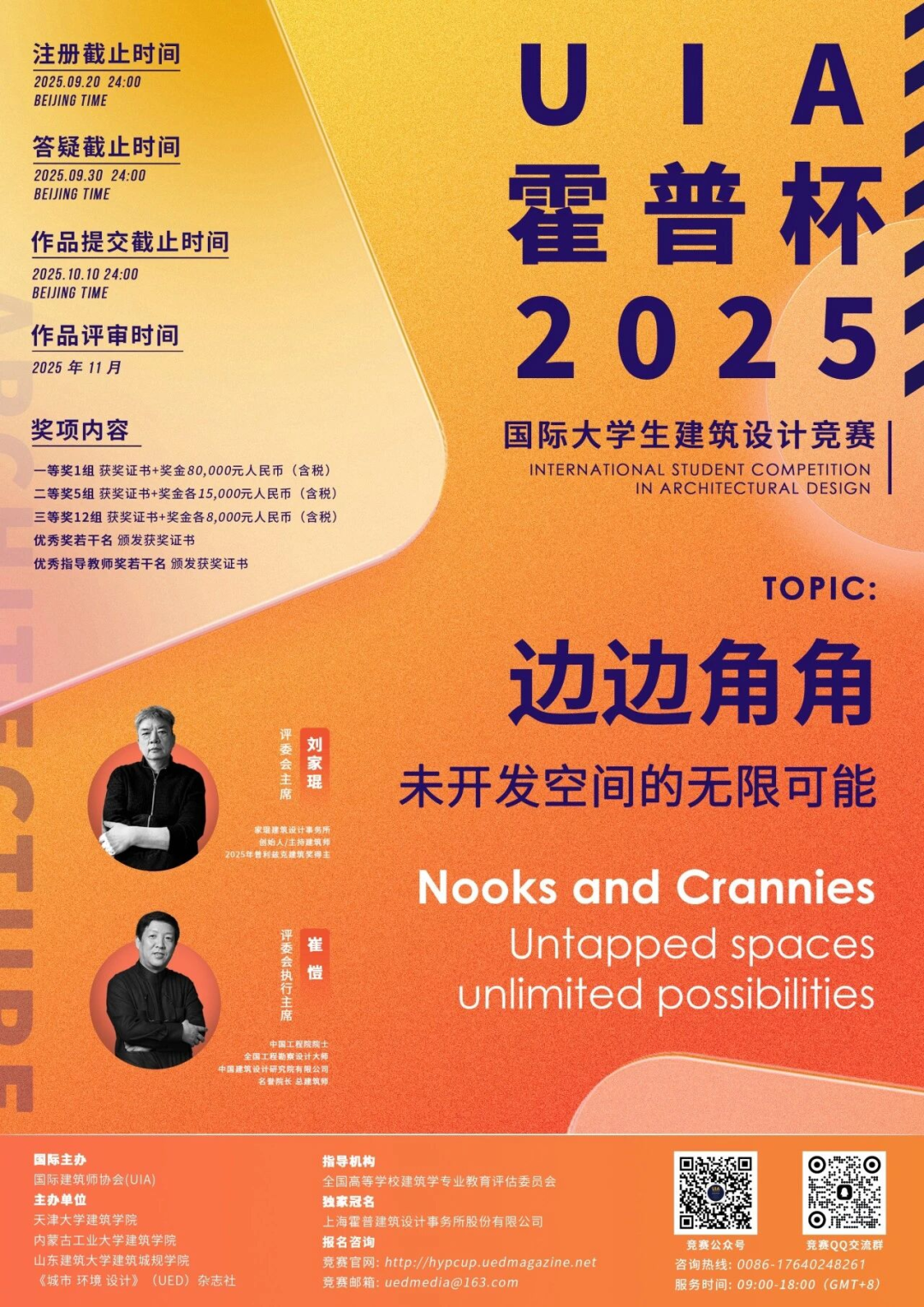
2025届UIA-霍普杯由家琨建筑设计事务所创始人、主持建筑师,2025年普利兹克建筑奖得主刘家琨(LIU Jiakun)担任主席并拟定题目“边边角角-未开发空间的无限可能”。
据统计,2025届竞赛共有来自全球千余组学生报名参赛,组委会邀请到14位国内外知名建筑师、建筑教育家担任评委,在进行多轮评图与讨论交流后,最终甄选出56组获奖作品,其中包括一等奖1组,二等奖5组,三等奖12组,优秀奖24组,入围奖14组。评审结果备受瞩目,为回顾2025届UIA-霍普杯获奖作品,即日起将开启线上巡展!
01 竞赛回顾
2025 UIA 霍普杯的赛场上,千余组青年学子以热忱赴约,交出一份份扎根于城市细微之处的设计答卷。
他们走出图纸,走进城市里无人留意的角落,问诊闲置空间的发展困局,挖掘藏在缝隙中的无限生机;他们在无数个伏案绘图、搭建模型的深夜,反复推翻与重构空间逻辑,将对市井生活的体察尽数嵌入方案之中。
每一份完整的参赛作品,都镌刻着年轻设计师坚守、热爱的足迹,构成了2025届赛事独一份亮眼动人的底色。
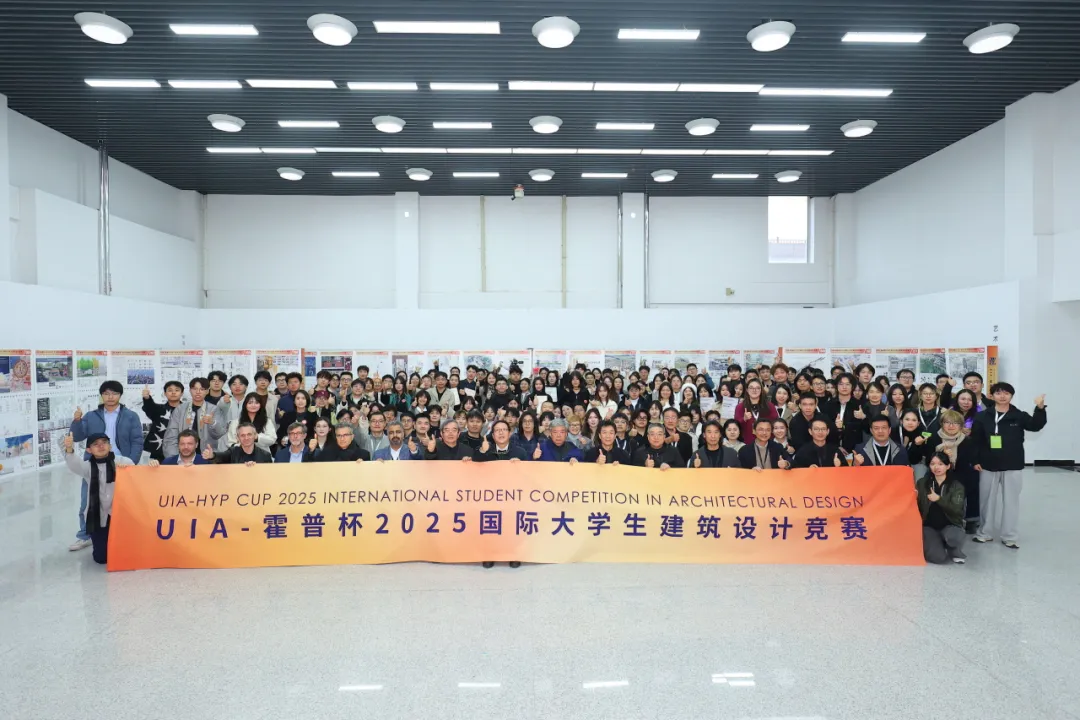
全球各地学子相聚于此,带着对城市闲置微空间的观察与思考诉说着各自的设计构想。
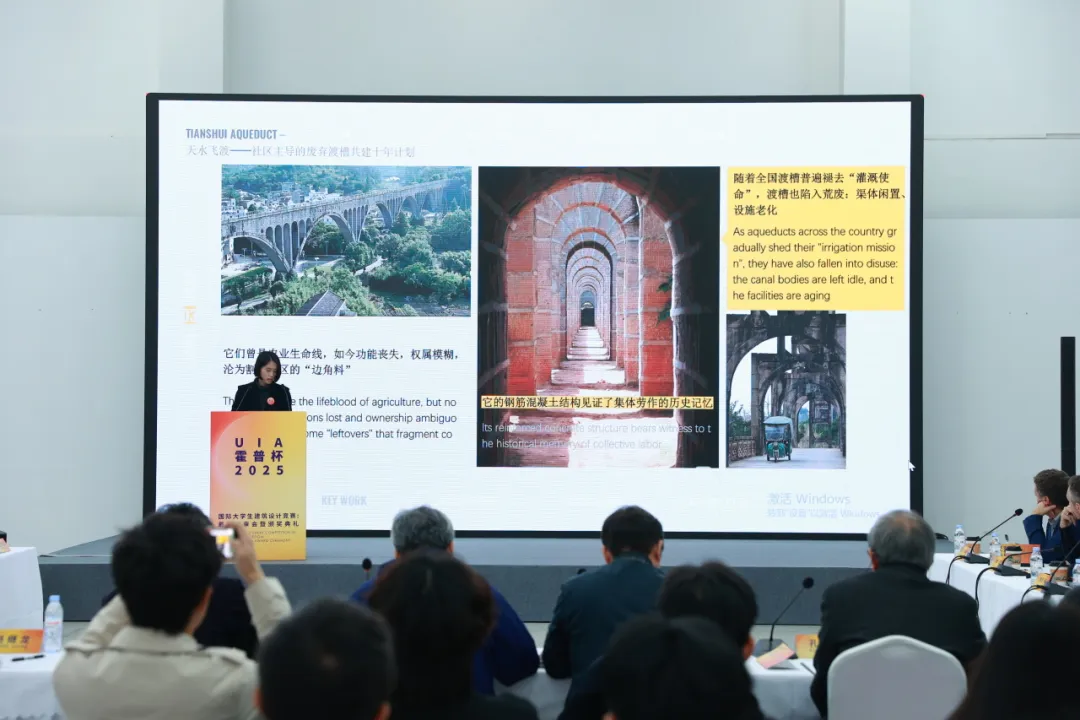
每一轮方案评审,都是跨地域、跨文化的建筑思想碰撞。青年创作者们带领评审团深入首尔半地下民居、贵阳老城街巷摊点、北京龙潭公园天桥下等细碎角落,淋漓尽致展现新生代建筑师体察日常、重塑城市的赤诚初心与天马行空的创造力。
评审现场涌动的,是所有人对建筑空间最纯粹、鲜活的热爱。
02线上巡展
正因深知这份创作的珍贵与不易,我们深信:每一个饱含心血的作品,都应当被铭记;每一份执着的努力,都值得被见证!
为将这些凝聚着智慧与热忱的成果完整呈现、广泛分享,我们正式启动“UIA 霍普杯国际大学生建筑设计竞赛-2025线上作品巡展”! 让这些本应闪耀的作品突破时空限制,被更多关注建筑设计与教育的人们看见、欣赏、交流。
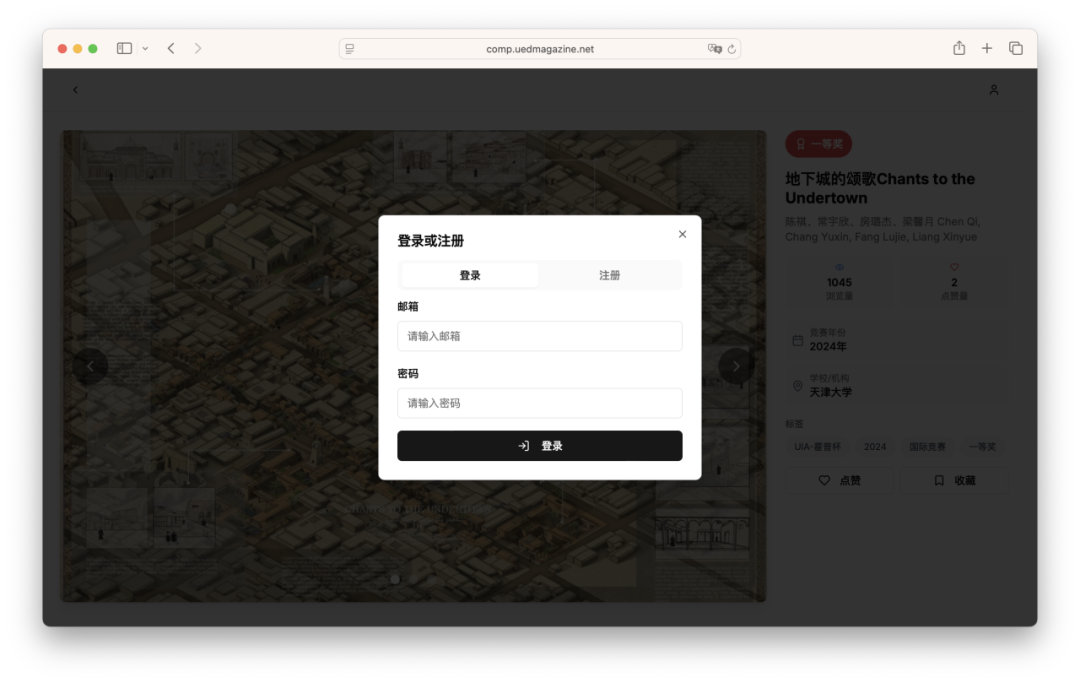
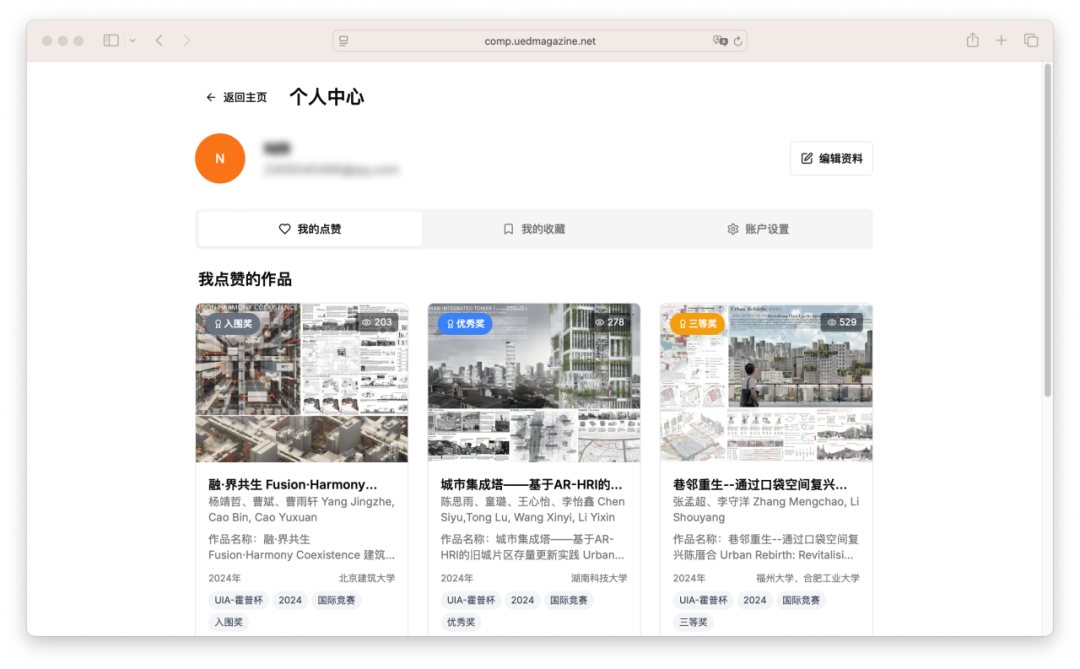
作品支持按奖项等级、院校归属的筛选,配合作品缩略图与名称按照等级和报名序列号进行有序排列,让海量设计成果既井然有序又易于检索。
同时系统设有用户功能,支持对喜欢的作品进行点赞和收藏,也可以在喜欢的作品下方进行互动留言。
03 2025竞赛主题:边边角角-未开发空间的无限可能
社区里有许多边角余料,可能是一小块地,可能是一段墙——可能性有很多。它们或者藏在犄角旮旯里,或者就在某个熟视无睹的地方……它们常常都处于权属交界之处,表面看上去无所归属。如何去发现它、利用它、运作它,使其发挥作用?
这个题目提倡个人发现而非流行命题,旨在鼓励参赛者建立现实感,打开知觉,观察周边,发现问题,挖掘资源;厘清现实中的各种关系,了解各方的利益诉求,理解社会运转的基本原理,关注可操作性,避免高高在上;希望参赛者以设计为导向,在日常生活中寻找诗意,深入现实,处理现实,最终改变现实。
04 2026竞赛已开启!
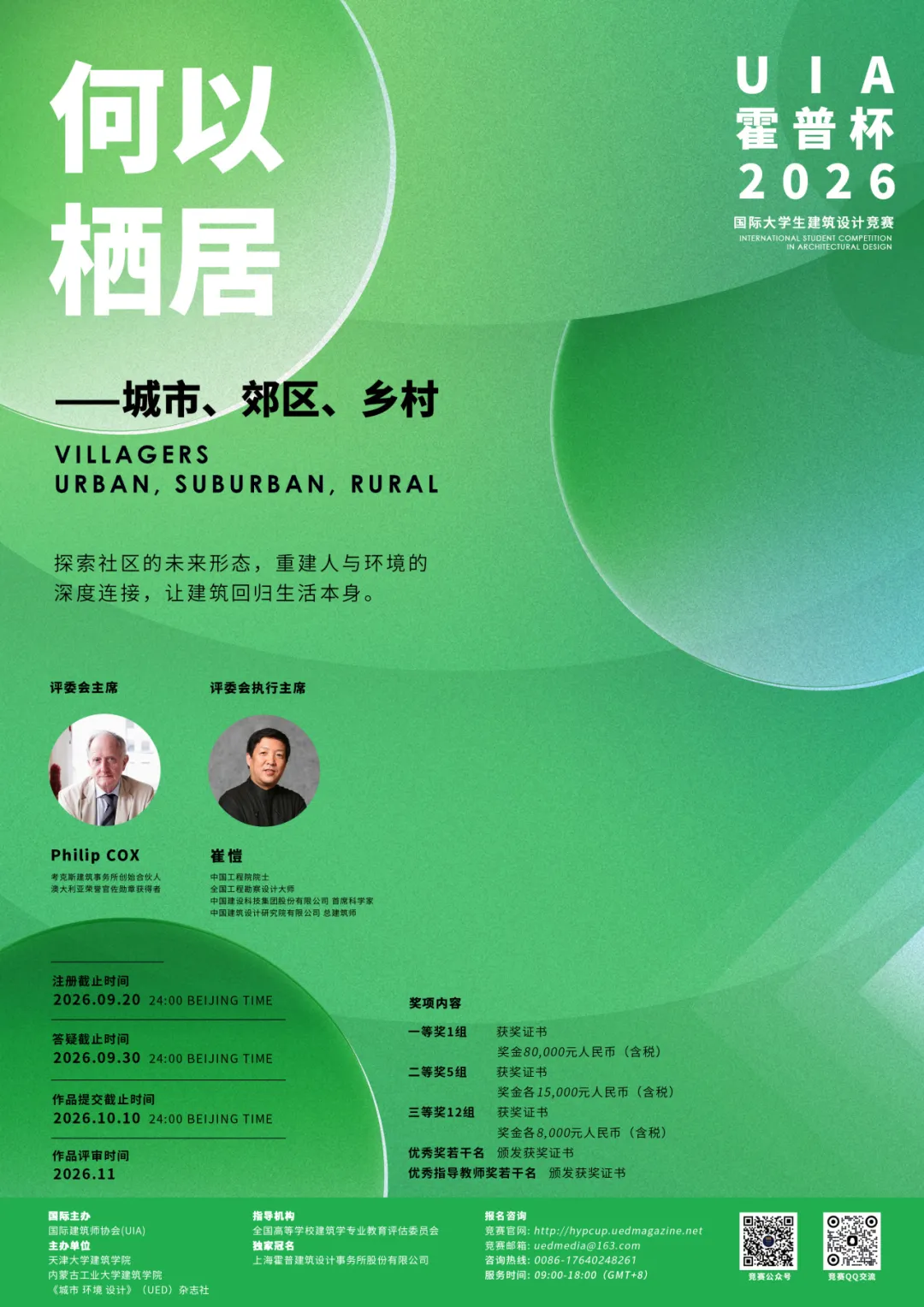
随着全球多数地区人口从乡村向城市迁移,许多城市已发展为容纳 2500 万人口乃至更多的巨型都市。其中部分城市已然突破传统城市的概念界限,其自身的身份特征已难以被清晰辨识。我们固然能够理解中央商务区(CBD)的独特性与视觉辨识度,然而,“社区”与“社会单元”本身的意义却随之受到质疑。它们是否依然存在?我们栖居之所的场所感何在?承载我们存在的场所精神又在何处?
With rural drift to the cities happening in most places of the world many of these have become megalopolises holding up to 25 million people and some more which defy the concept of city as we traditionally know it having identity that can be comprehended. We can understand the concepts of central business districts CBD of having some distinctiveness and visual realisation however the whole question of community and social unit comes into question. Does it exist anymore, where is the sense of place of living, the genius loci of our being.
随着高层住宅不断提高城市密度,我们共事、交往与共居的社会单元,连同我们的生活环境,也因此面临重新审视。城市面貌日趋同质化,身份认同不断流失,人与人之间的社会交往与互动空间被大幅压缩。随着城市生活成本居高不下且就业前景充满不确定性,乡村人口持续涌入城市的发展模式正受到质疑。与此同时,人们对清洁空气、能源资源等环境问题的关注日益增加,使得小型社区与“村落”单元,正被视作切实可行的替代发展模式,重新进入大众视野。
The social unit of who we work with, socialise, live with, the environment in which we live is under question as we increase the densities of our cities through high rise residential buildings creating a spreading sameness a loss of identity that affords little opportunity for social; inter reactive process to take place. The rural drift to the cities continuing is questioned as affordability in cities and work opportunity is uncertain, and coupled with environmental concerns such clean air, energy resources, smaller communities or village units are being examined as viable alternatives.
我们正处于建立自给自足型可持续社区的临界点——这些社区能通过太阳能等方式自行发电、收集水源、管理废弃物、回收利用旧物,并采用零碳建材延续在地建筑传统。无论是城市还是乡村,已有众多社区实现了农产品自给。信息技术与人工智能正在塑造一个全新的社会形态:远程办公模式日趋成熟,不再受限于特定地点或传统商业办公楼的束缚。工厂与生产场所全面迈向自动化、机械化。这种变革赋予人们选择居住环境更大的自由——无论是偏爱拥有文化资源的城市、渴望接触广阔天地的郊区,还是追求与自然土地融为一体的乡村生活。
We are on the threshold of establishing self-sufficient sustainable communities that can produce their own power through solar and other means, collect their own water, manage their waste products, recycle material of the past, build in the vernacular tradition using materials that have zero carbon impact. There are many examples of communities both urban and rural growing their own produce. IT and AI are producing a different society where work can operate remotely and does not need to be confined to place or a commercial office as we know it. Factories and places of manufacture are increasingly robotic and mechanised. This allows a greater freedom for choice of habitat, whether the preference is in the city with its cultural advantages, suburbia that allows contact with a broader landscape or rural that is integrated with the earth itself.
无论是城市、郊区还是乡村,所有这些居住选择都需要“村落”理念的支撑——即人与人往来互动,秉持共同的价值观,共享学校、商业街区、市集、社区集会等空间,为音乐、美术等文化活动提供生长土壤。最重要的是,“村落”的建筑应以在地化的方式,真实体现其居民的生活与文化特征。关于社交缺失、心理健康问题的讨论层出不穷,其背后往往是“村落”生活的消亡。建筑所承载的“归属感”至关重要,建筑设计更需从生态、社会双重维度回应人们的生活,维系人的身份认同与归属感。
Each of these opportunities of living require the concept of village, where a collection of people have interface with each other and share common values, sharing such things as schools, retail areas and market, community gatherings and meeting halls, where cultural events such as music and art can flourish, and most importantly where the architecture of the village expresses the people themselves in a vernacular way. There is so much discussion of loss of socialisation, mental health issues that have resulted from the loss of village life. The sense of belonging to a place represented by its architecture is important and how that architecture helps in the lives of the people in all ways, environmentally and socially, the sense of identity and belonging.
将被动式节能技术融入当代建筑设计,是人类可持续存续的关键。建筑设计应有机融入这些技术,而非将其生硬、刻意地附加于建筑之上。
The inclusion of passive energy technologies into the architecture of our time is important for our survival and how architecture can absorb those technologies without treating them as uncomfortable attachments.
本次设计议题旨在从三种居住方式中择取其一,展示如何营造具有现实意义的社区:选择城市模式,可依托废弃工业区更新改造,或重构高密度城区,赋予其新的价值;选择郊区模式,应展现社区的凝聚力,而非无序蔓延,并探索如何规划一个具有凝聚力的社区;选择乡村模式,则可呈现融合可持续理念并与景观环境相协调的新建筑,体现真正的地方性价值与身份认同。
The problem will be to select one of the three ways of living and to demonstrate how communities can be created that have relevance. For those choosing urban, a disused industrial area can be chosen or the reorganisation of a higher dense area of the city that can be redesigned to provide new values. Suburban communities should demonstrate cohesion, not sprawl and how to plan a cohesive community whilst those choosing rural can demonstrate the new architecture of sustainability and landscape integration representing true vernacular values and identity.
题目解析由建筑大师 菲利普·考克斯 提供